The Sample Is the Spec: Timber for Patching Up Old Houses

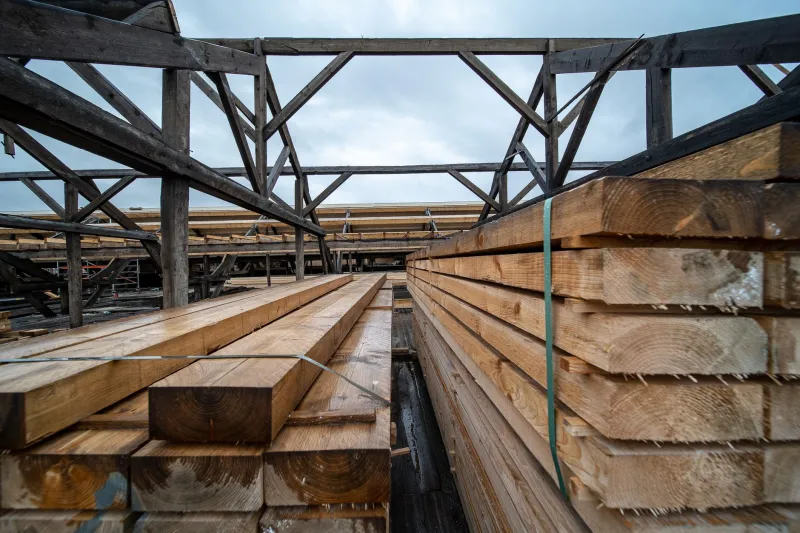
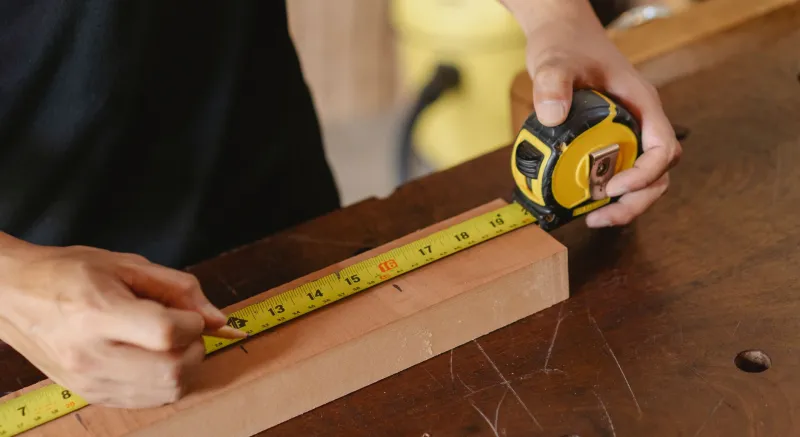
Photo: carpenter comparing old timber sample with new board in UK timber yard, via c8.alamy.com
There's a particular kind of optimism that walks into a timber yard with a photograph on a phone and a rough idea of size. It's usually attached to a Victorian terrace, a Georgian sash window or a 1930s semi where one board has gone soft and the rest of the house is still standing. The job is a patch repair, not a rebuild. The temptation is to ask for an exact match. The honest answer, most days, is that exact went out of production before your grandparents were born. What you can get is timber that agrees with the old work closely enough to do the job properly and quietly.
Repair First, Replacement Second
Before anyone starts matching species, it's worth being clear about what you're actually doing. A lot of period timber is better than the stuff we can buy new. Old pitch pine, slow-grown oak and dense redwood from long rotations can be harder, more resinous and more stable than a fast-grown board cut last year. If the rot is local, a scarf joint or a spliced patch can keep the original material where it matters and introduce new wood only where it's needed.
That said, repairs have limits. If a joist end has been wet for a decade and the bearing is gone, a cosmetic patch is not a repair. Get someone competent to check anything structural before you buy timber for it. The yard can supply the board; it can't make the call on whether the wall is holding it up.
Your Sample Beats Any Description
This is the single most useful habit in repair work: cut out a small sample of the timber you're matching and bring it with you. Not a photo. Not a memory. A piece roughly the size of a matchbox, taken from an inconspicuous spot or from the offcut you've already removed.
A sample tells the yard things a description can't. It shows the grain direction, the density, the colour of a fresh face versus the weathered face, and whether the original is a softwood, a hardwood or something in between. It also helps with dimension. Old trim is often imperial and has been painted so many times that the original profile is buried. Bring a profile gauge or a small offcut showing the moulding, and you've got a far better chance of getting close.
Species: Close Enough Is Often the Right Answer
Period homes in the UK are a mixed bag. You'll find Baltic pine in Victorian joinery, oak in older frames, pitch pine in schools and churches, mahogany and teak in some interwar work, and plenty of ordinary redwood that's been doing quiet service for a century. Modern stock is usually faster grown, lighter and less resinous. That doesn't make it wrong, but it does mean you should think about how the new piece will behave next to the old one.
For painted work, a good-quality redwood or a clear softwood often does the job without drama. For exposed oak, you're better off asking for air-dried stock if you can get it, and accepting that the new piece will start lighter and move a bit more than the old. For pitch pine, a close-grained pine or Douglas fir can be a sensible near-match if the original is unobtainable. The trick is to match the job, not the fantasy of an identical board.
Profile and Dimension: Trust the Old Work, Not the Drawing
Old joinery has usually moved, shrunk and been painted into a slightly different shape than the drawing says. Skirting that was once 144mm may now measure something odd because of paint build-up. A sash rail may have been eased or planed during an earlier repair. If you're matching a moulding, a profile gauge and a short offcut are worth more than a nominal size.
Ask the yard whether they can run a custom knife or match an existing profile. Some can; some can't. If the repair is small and painted, a standard profile that's close may be the practical answer. If it's a prominent run of exposed joinery, it's worth paying for the extra tooling or finding a joinery shop that will.
Moisture and Movement: New Wood in an Old Wall
A common mistake in repair work is to order kiln-dried timber, cut it tight and fix it hard, then wonder why a hairline crack appears six months later. New timber and old timber rarely sit at the same moisture content, especially in an old house with solid walls and no cavity. The new piece will move as it settles into the building's equilibrium.
Ask for timber that's close to the moisture content of the surrounding work. If you're unsure, buy a little oversize, let it acclimatise in the room where it's going, and don't cram it into a gap with no room to move. A repair that's slightly loose and properly fixed will often outlast one that's been forced tight.
Weathering and Finish: The Board Has to Age in Step
Outside, matching is as much about how the timber ages as how it looks on day one. Oak, larch and cedar all weather differently, and a new patch will almost always stand out at first. That's not a failure; it's normal. What matters is that the new piece takes the same finish and moves in a similar way, so it doesn't cup, split or shed its coating while the old work stays put.
If the original is painted, use a breathable finish and don't seal the new piece in a way that traps moisture. If it's bare and weathered, accept that the patch will silver down over time and choose a species that's reasonably durable in the exposure it's getting. A repair that looks slightly new for a year is better than one that fails because the finish was wrong.
Questions Worth Asking Before the Saw Comes Out
Is the repair structural? Has the building got listed status or sit in a conservation area? Is there lead paint on the old work? Are there pipes or cables buried where you're cutting? These aren't yard questions, but they change what you should buy and how much of the original you should be disturbing.
Once those are answered, the timber order gets simpler. Bring a sample, know the profile, be honest about the exposure, and accept a sensible near-match. Old houses are full of compromises that have lasted a hundred years. Your repair can be one of them, as long as the timber is chosen with a bit of thought and not just a hopeful measurement.