What the Back Rack Knows: A Practical Case for Timber Seconds
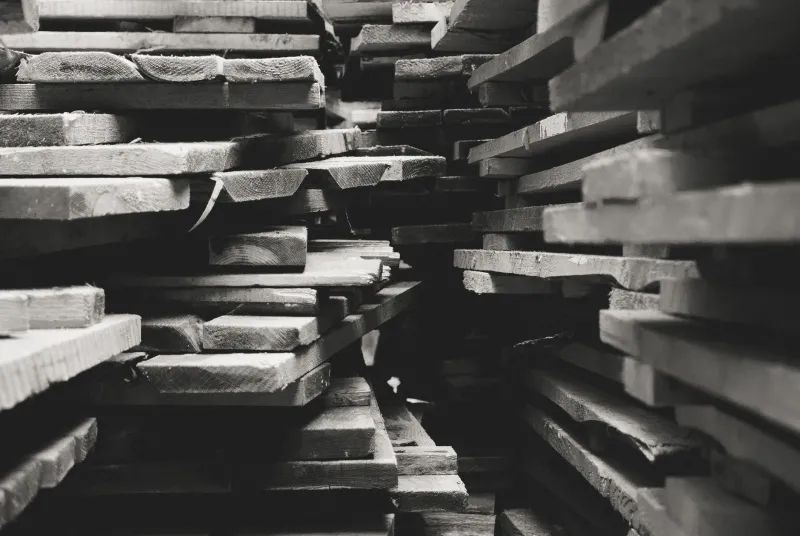
There is a stack at most timber yards that regulars gravitate to before they have even had a coffee. It sits at the back, often under a lean-to, lengths poking out at angles, tickets handwritten. To the uninitiated it looks like the pile where boards go to be forgotten. To a trade buyer with a list, it can be the most interesting real estate on the site.
At Ashvale Timber we call it the seconds rack, but the name is not a grade in the way 'C24' or 'unsorted' is. It is a merchant's shorthand, and it means different things in different yards. That is the first thing to get straight.
The Word Does a Lot of Work
In one yard, seconds might mean boards downgraded for wane, sap stain, torn grain or a few filled knots. In another it could mean stock from a cancelled order, odd lengths, or a pack that has been picked over. On imported softwood you may see 'seconds' used loosely for a lower visual grade. On hardwoods, the same idea might come out as 'rustic', 'character' or 'shop grade'. None of these labels is universal. Ask what the yard means before you start loading.
The useful question is not 'are these seconds?' It is 'what is wrong with them, and is it wrong for my job?' A board can be ugly as sin and perfectly sound. It can also look clean on the face and be useless where it matters.
Cosmetic Trouble Is Usually Cheap Trouble
Some defects live on the surface and stay there. Sapwood on oak is a classic: paler, softer, less durable in exposed work, but often fine for internal joinery, painted work or a project where it will be protected. Sap stain and blue stain in softwood are visual issues, not a sign the board is rotting. Torn grain, machine marks and a bit of bruising will disappear under a plane or a sander if there is enough meat left.
Wane is another one people overreact to. A little wane along an arris can be planed out, hidden on the underside, or put against a wall. Too much wane in the wrong place is a different story: it can expose end grain, trap water and leave a weak edge. The defect is not the issue by itself. The location is.
Small, tight knots are part of timber. A few sound knots in a shelf, a shed lining or a garden gate brace are not going to keep anyone awake. A loose knot or a knot cluster in a critical section is another matter.
The Defects That Should Stop You
Anything that compromises strength or durability needs treating with respect. Shake, for example: that separation between growth rings or along the grain. A short split at the end of a board can often be cut off. A long shake running through the length is not a trimming problem. It is a structural problem.
Then there is decay. Soft patches, punky wood, white rot, insect frass, little flight holes and powder are all reasons to walk away, however cheap the bundle. Treatment can slow decay down in service. It cannot put strength back into wood that has already lost it.
Warp is the quiet one. A board can look lovely on the rack and turn into a propeller once it is cut and fixed. Sight down the length. Lay it on a flat surface if the yard has one. Check for bow, twist, cup and spring. Some of that can be pulled out with fixings. Some cannot, and trying to force it usually transfers the problem to the thing you are building.
Finally, grade matters if the job is structural. If you need C16 or C24, buy timber that is actually stamped and graded for it. A friendly yard saying 'these are plenty strong' is not a substitute for a grade mark on a load-bearing job. Seconds are brilliant for the right work, but they are not a magic cheat code around Building Regs.
Where Seconds Earn Their Keep
Seconds are at their best where appearance is secondary and the piece is not carrying serious load. Think shed linings, workshop shelves, jigs, trestles, packing, temporary rails, garden planters with a liner, cold frames, bird boxes, raised bed surrounds that are lined and not in direct soil contact, and all the bits of a project that nobody photographs.
They are also excellent for prototyping and setting out. If you are working out a stair template, a curved jig or a complicated built-in, the back rack can save you from cutting into the good stock while you make your mistakes. That is not a small saving. Good timber is expensive. Learning on offcuts is cheaper.
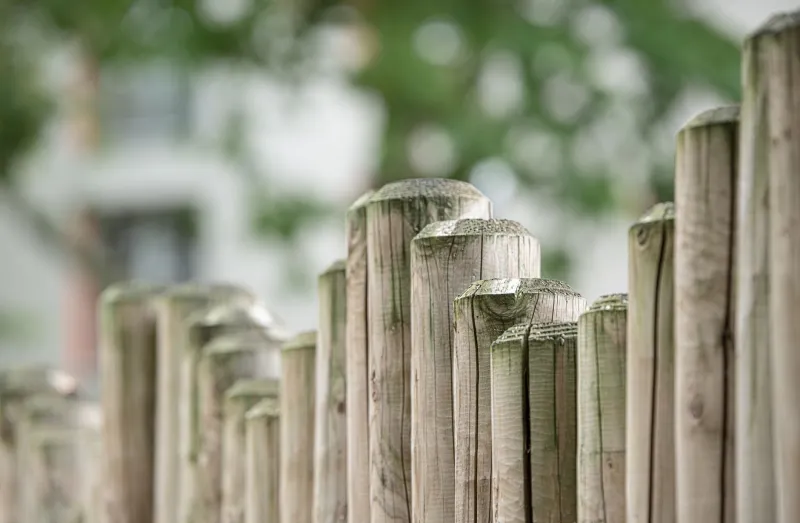
For fencing, seconds can work for rails and boards if the defects are sound and the treatment is right for ground contact. But be honest about where the piece sits. A knotty rail with a bit of wane is one thing. A post with a split running through the below-ground section is another.
Where They Do Not
Do not put seconds into exposed structural work, roof members, floor joists or anything that has to satisfy an engineer or a building inspector unless it is graded and marked for that use. Do not use suspect timber where a failure would be dangerous: ladders, access platforms, stair strings, guarding, play equipment. Do not buy seconds for a front-door job and expect the painter to make it look like prime oak. And do not let a cheap price drag you into a false economy on a job where the labour to replace a board is worth more than the board.
The maths is simple. Seconds make sense when the defect is in the wrong place for a fussy job and the right place for yours. They stop making sense when you have to work around them, fill them, replace them or apologise for them.
How to Work the Rack Properly
Turn up with a list of sizes, not a vague plan. Ask the yard what the seconds are graded for and what the known defects are. If you can pick through the stack, do it methodically: check the ends, sight the length, look for shake, feel for soft patches, and look for frass. Take a moisture meter if you have one, especially if the timber is going indoors. A board that is wet now will move later.
When you ask, use trade language. 'What are these down-graded for?' is a better opener than 'are these cheap?' Ask whether the price is per length or per cube, whether they are treated and to what use class, and whether there is a return policy on seconds. There usually is not, or it is limited, and that is fair enough. You are buying with your eyes.
If you want to sound less like a punter, bring a tape and a chalk. Know your section sizes. Ask for a bundle price if you are taking a mixed stack. And do not haggle over a few quids' worth of boards if the yard has just spent ten minutes helping you sort the good from the bad.
The back rack rewards the buyer who knows what they are looking at. It is not a place to shop blind, and it is not a shortcut to cheap structural timber. But for the right job, a 'wonky' stack can be the smartest buy in the yard.