The Moisture Question: Why One Board Can Work Indoors and Fail Outside

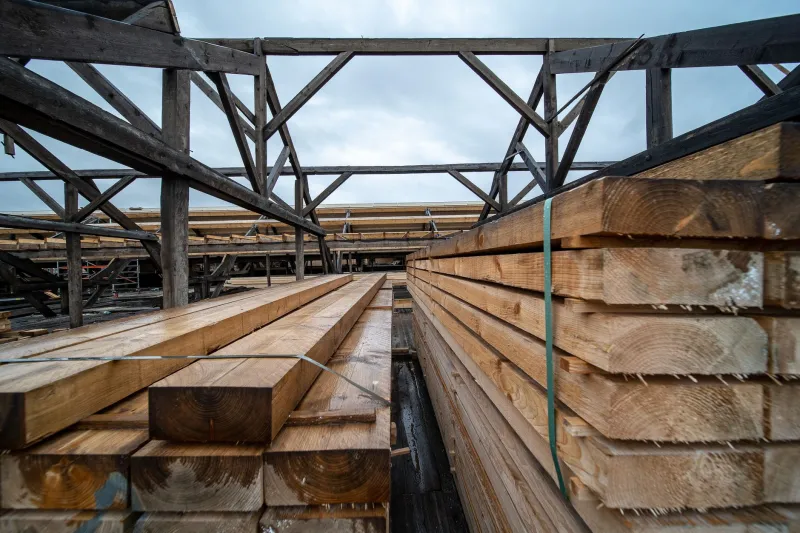
Photo: Ei'eke, CC BY-SA 4.0, via Wikimedia Commons
Kiln-dried has become shorthand for “ready to use”. It is not. Two boards can both be kiln-dried and still be wrong for the same job. One might be at 9%, the other at 16%. One might be destined for a heated hallway, the other for a fence line. The word on the label does not tell you which is which.
That is not a knock on kiln drying. It is a useful process. But it is a process, not a promise. If you want timber to behave, you have to match the moisture content to the place it will live.
What moisture content actually means
Moisture content (MC) is the weight of water in a board as a percentage of its oven-dry weight. A board at 20% MC contains water equal to a fifth of its dry weight. That water sits in the cell walls and cavities. As it leaves or arrives, the timber moves.
Timber is hygroscopic. It will settle at an equilibrium moisture content (EMC) with the air around it. In a heated UK home in winter, that might be roughly 8–12%. In an unheated workshop or a covered outdoor store, it can be 12–16%. Exposed external timber will swing with the seasons, often higher in winter and lower in summer. The exact figures depend on temperature, humidity and species, but the principle does not.
Kiln-dried and air-dried are not rivals
Kiln-dried (KD) means the timber has been dried in a controlled kiln to a target range. It is faster and more predictable, and it can get stock down to internal-joinery levels. Air-dried (AD) means the timber has been stacked and dried by ambient air. It is slower and depends on the weather, but it can be perfectly good stock — especially for external work where the timber will end up at a higher moisture content anyway.
The mistake is treating KD as a quality grade. It is a drying method. A well-run kiln and a well-run air stack both produce good timber. A poorly run kiln can case-harden timber or leave the core wet. A poorly run air stack can go mouldy. Ask for readings, not just the letters.
Movement is physics, not a fault
Wood shrinks as it dries and swells as it takes on water. Most movement happens across the width, not along the length. That is why a wide board moves more than a narrow one, why flat-sawn boards cup, and why decking gaps open and close through the year.
If a board is fitted at 18% and then dries to 10% in a heated room, it will shrink. If it is fitted at 9% and then lives outside, it will swell. Neither board is defective. They were just matched to the wrong job.
Matching stock to the job
- Internal joinery and furniture: aim for stock that is close to the moisture content it will live at. For most heated UK homes that means roughly 8–12%, with the timber acclimatised in the room before machining and fitting. Wide boards and glued-up panels need more care than narrow mouldings.
- Cladding: external cladding will move with the seasons. You want timber that is dry enough to stay stable on the wall but not so dry that it swells hard when the autumn rain arrives. Ask the yard for the range and follow the manufacturer’s or designer’s specification. Ventilation behind the cladding matters as much as the number on the meter.
- Decking: decking is wet by design. It will take on water. The important things are species, treatment, fixing details and gaps. A KD board is not wasted outside, but do not expect it to stay at the same moisture content it had in the pack.
- Structural timber: strength class and grading matter more than the word “kiln-dried”, but moisture content still affects movement and fixing. Keep structural stock covered on site and allow for shrinkage in detailing.
These are starting points, not a substitute for the specification. If you are working to a drawing or a warranty, follow that.
Acclimatisation: give it time
Acclimatising does not mean leaving a pack in the rain. It means stacking the timber in the space where it will be fitted, with spacers between boards, good ventilation and no direct heat. Give it days rather than hours for internal work; more for thick stock or wide boards. Take readings before you machine and again before you fix.
In winter, a cold garage is not the same as a heated room. Moving timber from a cold store into a warm house and fitting it the same day is asking for trouble. Let it settle. Use a moisture meter. Check several boards, not the one on top.
Common mistakes
- Trusting the phrase “kiln-dried” without asking for a number.
- Fitting the same day the pack arrives.
- Storing timber flat on a damp floor or under a tight tarp.
- Assuming a wide board will behave like a narrow one.
- Sealing all faces of external timber so it cannot dry.
- Ignoring end grain, which takes on and loses moisture fastest.
- Using internal-grade dryness for external work, or the other way round.
What to ask at the yard
Ask for the moisture content range, the drying method and the intended use. Ask when it was tested and whether you can take a reading yourself. Ask how it has been stored. At Ashvale Timber we would rather have that conversation before you order than hear about it after a callback.
Bottom line
Kiln-dried is not a magic word. It is a starting point. The right moisture content depends on where the timber will live, how it will be fixed and what the UK weather will do to it next. Match the stock to the job, allow for movement and do not be afraid to ask for a reading. Good stock behaves well when it is understood.