Sheet Goods Worth the Space in a Damp Workshop — and Three That Let You Down

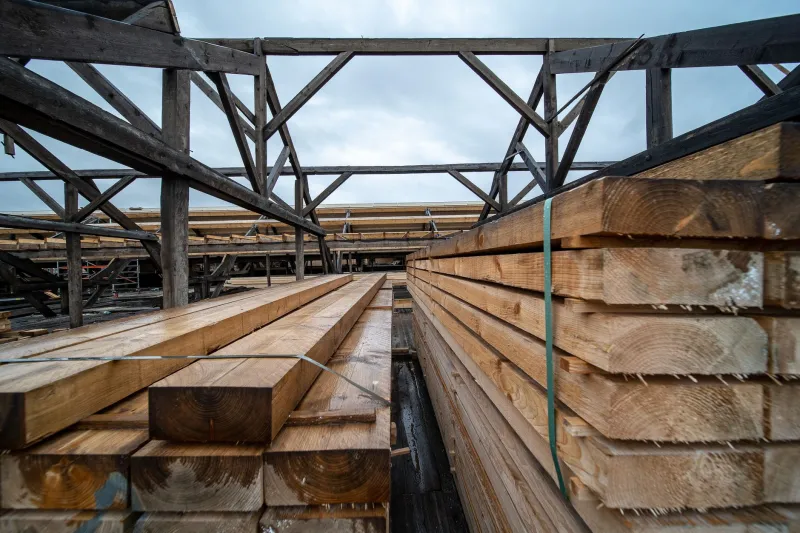
Photo: Clément Bucco-Lechat, CC BY-SA 3.0, via Wikimedia Commons
A shed in November is basically a sponge with a roof. That is the reality for a lot of UK workshops, and it changes how you should buy sheet materials. A sheet that performs beautifully in a heated indoor shop can swell, sag or crumble in a draughty garage. So this is not a list of the best sheets in the abstract. It is a list of sheets that earn their keep in real British conditions, plus three that tend to disappoint.
The five that earn their keep
1. Decent softwood plywood
Good softwood ply is the dependable generalist. Shelving, shed repairs, boxing in, simple cabinets, floor patches — it covers a lot of ground. The key word is decent. Cheap ply with paper-thin faces and voids inside is not a bargain; it is a future argument. Look for exterior glue if it is going anywhere damp, and seal the edges. A coat of paint or oil on the cut edges makes a real difference in a shed.
2. OSB3
OSB3 is the sensible rough-and-ready sheet for workshop walls, shed lining and structural sheathing. It handles damp better than OSB2 and it is cheap enough to use where looks do not matter. It is not furniture-grade and it does not paint beautifully, but for a working wall that will be covered in tools and shelves, it does the job. Do not use OSB2 in a damp shed and expect the same result.
3. MDF, especially moisture-resistant grade where needed
MDF is brilliant for jigs, templates, painted panels and router table tops, provided you keep it dry and seal the edges. Standard MDF hates water. MR MDF is better in a kitchen or a slightly damp workshop, but it is not waterproof. If the sheet is going to sit near a leaky door or on a cold concrete floor, think again. For interior joinery and workshop jigs, it is hard to beat for the money.
4. P5 chipboard flooring
P5 chipboard earns its keep as flooring in dry, heated interiors. It is stable underfoot, cheap and quick to lay. In a dry workshop it can make sense over joists. In a leaky shed or a garage that takes in driving rain, it is the wrong sheet. Use it where it belongs and it is excellent value. Use it where it does not and you will be sweeping it up.
5. Tempered hardboard
Tempered hardboard is the quiet hero of the workshop. Drawer bottoms, door panels, sacrificial bench tops, templates and backing boards — it is cheap, flat and tough enough for light duties. Standard hardboard is not structural and does not like getting wet, but tempered hardboard has a bit more backbone. Keep a couple of sheets on hand and you will use them.
The three that don't
1. Bargain plywood with voids and paper faces
This is the classic false economy. It looks like plywood, it cuts like plywood for about five minutes, and then it delaminates or fails under a load. If the face is so thin you can dent it with a thumbnail and the edges show gaps, leave it on the rack. One good sheet beats two bad ones every time.
2. Standard MDF in a damp shed
Standard MDF in a cold, damp shed is a slow-motion mistake. It swells at the edges, sags under its own weight and goes soft around fixings. If you must use MDF in a shed, use MR grade, seal every edge and keep it off the floor. Otherwise choose ply or OSB.
3. Untreated chipboard or OSB2 as shed lining or flooring
These are indoor sheets doing an outdoor job. Untreated chipboard crumbles when it gets wet, and OSB2 is not the moisture-resistant version. If the sheet is going to see drizzle, condensation or a damp floor, use OSB3 or exterior-grade ply. It costs a bit more up front and saves a lot of swearing later.
Buying rules that save money
Match the sheet to the exposure. Seal cut edges. Store sheets flat and off the ground. Buy one good sheet instead of two cheap ones. And ask yourself where the sheet will be in five years, not just where it is going this weekend. A damp workshop is not a reason to avoid sheet goods. It is a reason to choose them properly.